Some patients are transferred to you with their good history of their health, no underlying diseases, as a sport representative for their colleges, either elective or emergency, they should be evaluated as a chronic patient is performed. History taking process can be simultaneously performed with clinical evaluation, any problem with their cardiovascular and respiratory systems. Confirm or verify that the history as a previously healthy is genuine, because as the first or the highest priority for anaesthesia service is safety.
Preoperative evaluation in this patient group may be on the day of surgery especially when we consider the cost of hospital admission for a healthy ASA 1 has to wait at the surgical ward without necessary preoperative preparation or procedure prior their operative plan. Not only the cost, the extensive evaluation or laboratory testing are rarely required in this patient before their uncomplicated procedures.
Basic non-invasive monitoring is usually enough for their anaesthetic care, it is uncommon for the need of more invasive monitoring in this patient group.
Of course, a very successful anaesthetic care has to be a joining hand of both anaesthetic team member and the surgical team member, so that the needs from both team are not overlooked and taken into account.
2012-05-30


Certificate of the Resident Class 2552 Academic year

A long farewell, Auf wiedersehen, Good bye ^^. It is always the happiest moment whenever the graduation ceremony is organised. Today marks the ceremony for the third year Residents who have spent their time with us, after the final board examination, they will have their own ways to work for the patient kingdom-wide, wish them well and thank you for being with us.
2012-05-21
Another Education Videos
UC Irvine Anaesthesia Resource
I ran across another web site from the University of California Irvine, it has many education video clips on various anaesthesia topic, for me an airway procedure and IV catheter placement are beneficial for the medical students.
I hope you enjoy this web page as well as I actually did. Hope that it is valueable for the medical students.
I ran across another web site from the University of California Irvine, it has many education video clips on various anaesthesia topic, for me an airway procedure and IV catheter placement are beneficial for the medical students.
I hope you enjoy this web page as well as I actually did. Hope that it is valueable for the medical students.
2012-05-08
Holidays away from home
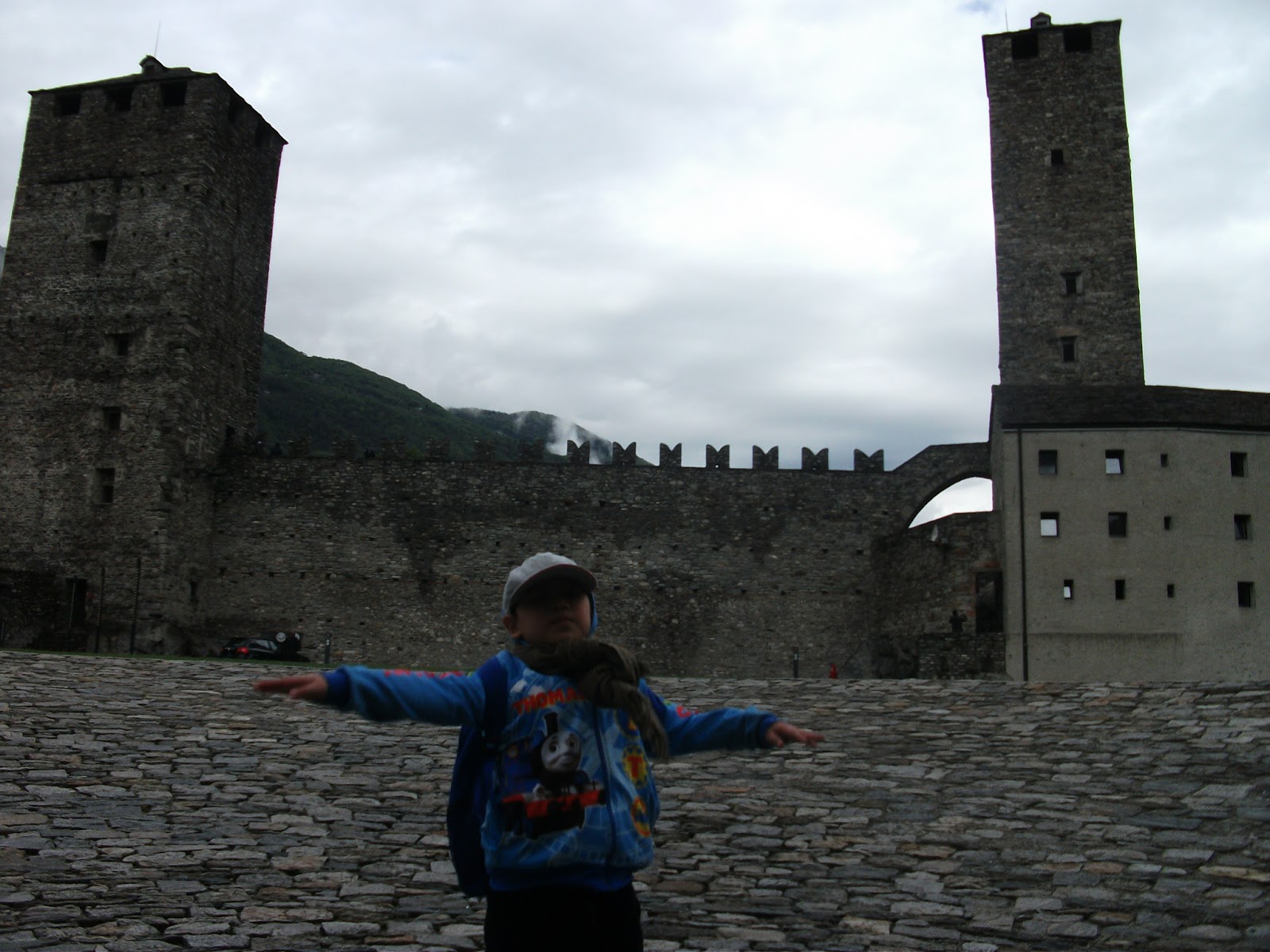
The undergraduate education team of the Department of Anesthesiology has been away, two with the department head joined the World Congress of Anesthesiology in Baunos ires, one more also had finished her latin american trip. My turn I went to Europe for a Family get away.
Some foto are here, naschte halt/ prochain arret/ prossima fermata Home!!



Some foto are here, naschte halt/ prochain arret/ prossima fermata Home!!



2012-04-24
Management of Acute postoperative Pain
As a medical student, you must be competent to manage your patient's pain, there are multiple way to diminish your patient's pain such as the local anaesthetics to inhibit the neural conduction to perception in the spinal cord then pain pathway. You can employ oral medication as well, such as paracetamol in mild to moderate pain level, or you can give NSAIDS either oral or parenteral then if your patient pain is in the severe scale, you then have to order opioid analgesics.
You may observe that anaesthetist has to plan in advance once a patient is due to anaesthetise, what the technique to control the pain after the surgical procedure is done. Due to some side effects from opioid administration, the development of multimodal pain management is usually performed for reaching the early recovery goal as opioid may prolong this recovery.
Epidural analgesia is definitely a great alternative, because you can reduce the overall opioid consumption, your patient is likely to have a lower pain score, so that he/she will be ready to ambulate, have an effective cough so that the perioperative pulmonary complication is avoided. For that surgical patient underwent abdominal procedure especially colectomy, an epidural pain control is an essential part of the enhanced recovery scheme.
In a special case sometimes you may find a patient with the underlying chronic pain symptoms became a surgical patient so that the plan for severe pain control should be kept in mind because you do have to realise the he will be complicated with acute and chronic pain. It is prudent to ask for help or notify an anaesthetist consultant who is keen to take care the chronic pain so that the patient will receive an optimal pain control.
You may observe that anaesthetist has to plan in advance once a patient is due to anaesthetise, what the technique to control the pain after the surgical procedure is done. Due to some side effects from opioid administration, the development of multimodal pain management is usually performed for reaching the early recovery goal as opioid may prolong this recovery.
Epidural analgesia is definitely a great alternative, because you can reduce the overall opioid consumption, your patient is likely to have a lower pain score, so that he/she will be ready to ambulate, have an effective cough so that the perioperative pulmonary complication is avoided. For that surgical patient underwent abdominal procedure especially colectomy, an epidural pain control is an essential part of the enhanced recovery scheme.
In a special case sometimes you may find a patient with the underlying chronic pain symptoms became a surgical patient so that the plan for severe pain control should be kept in mind because you do have to realise the he will be complicated with acute and chronic pain. It is prudent to ask for help or notify an anaesthetist consultant who is keen to take care the chronic pain so that the patient will receive an optimal pain control.
2012-04-20
Anaesthesia for the Aged patients
The society is getting older, and now we in thailand cannot escape this trend. According to the Nation Statistics Buereau, our kingdom is now an ageing society. Therefore, more ageing patients are expected to be the patients in the healthcare service all over the world, and anaesthetic considerations for these fragile population include many topics.
We can categorise the aged patient according to their chronological or their functional age, although some patients may look or appear to be healthy, however the organ function is less reserved in this healthy aged group.
First of all, the anatomical changes both the structure and function. These normal organ and overall function changes must be put together with planning anaethetics for them, although that is not considered as a disease or disorder. The skin is an obvious sign for all, the spines are osteoporotic, the vertebral column is collapsing making patient shorter than they were. Organ function, all decline after the age of 30, therefore, they cannot tolerate the tachycardia, the resting oxygen tension in blood is lower, the liver and kidney aggravate more pharmacokinetic changes, drug elimination is prolonged.
Secondly, they are likely to have pre-existing medical problems, especially diabetes and/or hypertension. That would make them receive preoperative medications; antihypertensives, hypoglycaemics, statins, etc. Some drugs would potentiate the anaesthetic drug effects making them prone to have perioperative complications.
Therefore when you have an aged patient in front of you, you do have to perform adequate preanaesthetic evaluation and preparation, choose the appropriate anaethetic technique, titrate the dose of planned given drugs to suit the patient's background, otherwise you would get mad after your patient develops a perioperative complication in the postanaesthesia care service area.
We can categorise the aged patient according to their chronological or their functional age, although some patients may look or appear to be healthy, however the organ function is less reserved in this healthy aged group.
First of all, the anatomical changes both the structure and function. These normal organ and overall function changes must be put together with planning anaethetics for them, although that is not considered as a disease or disorder. The skin is an obvious sign for all, the spines are osteoporotic, the vertebral column is collapsing making patient shorter than they were. Organ function, all decline after the age of 30, therefore, they cannot tolerate the tachycardia, the resting oxygen tension in blood is lower, the liver and kidney aggravate more pharmacokinetic changes, drug elimination is prolonged.
Secondly, they are likely to have pre-existing medical problems, especially diabetes and/or hypertension. That would make them receive preoperative medications; antihypertensives, hypoglycaemics, statins, etc. Some drugs would potentiate the anaesthetic drug effects making them prone to have perioperative complications.
Therefore when you have an aged patient in front of you, you do have to perform adequate preanaesthetic evaluation and preparation, choose the appropriate anaethetic technique, titrate the dose of planned given drugs to suit the patient's background, otherwise you would get mad after your patient develops a perioperative complication in the postanaesthesia care service area.
2012-04-15
Difficult airway management in the Surgical ICU
When it was the right time to intubate your patient's trachea, be sure that you can handle the problems arised after your induction of anaesthetics. The plan must include what your next step should be if you cannot pass the endotracheal tube into the correct position in the trachea. The problem of difficult airway management can be categorised to planned difficult or unexpected difficult airway.
If you encounter with a planned difficult airway, you can prepare ahead which equipment you would employ to get access to your patient airway. However, it doesn't mean that it would quarantee its success., so you need plan B for the next step if the first step does not work.
When you are facing the unexpected difficult airway control, one thing to keep in mind is a "Call for Help" because you would become fatigue after a couple of laryngoscope attempts. The other important thing to remember is don't forget to ventilate and oxygenate your patient!
In this patient, although we can intubate the trachea after another attempt, but it led us to another problem, unstable haemodynamics; hypotension, bradycardia, finally cardiac arrest. Oh my God >.<
Subscribe to:
Posts (Atom)